
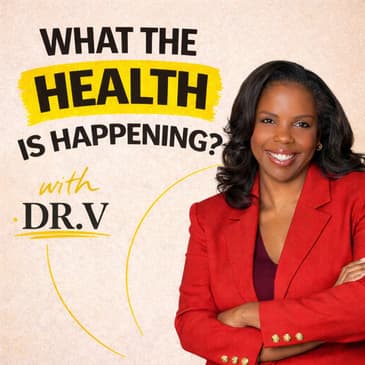
Welcome back to "What The Health Is Happening? With Dr. V." In today’s episode, Dr. Valda Crowder dives into the world of asthma, an often misunderstood but potentially deadly chronic disease that affects millions of Americans. Despite its prevalence, asthma still sends hundreds of thousands to the ER every year and claims lives, with many patients struggling to manage it correctly.
This episode covers what actually happens inside the lungs during an asthma attack, the difference between a manageable flare-up and a true emergency, and why asthma looks so different from one person to the next. Dr. V shares vital tips on medication, the role of air quality and environmental factors, and best practices for kids and adults alike. Whether you have asthma, know someone who does, or have ever wondered if that lingering cough might be something more, you won’t want to miss this conversation. Get ready to take a breath and learn what the health is really happening with asthma!
Timestamps:
00:00 Understanding asthma attack mechanics
06:49 Breathing issues despite inhaler use
10:28 Barriers to asthma care
12:14 Impact of air quality on health
14:47 Children's asthma and viral infections
20:52 Importance of sharing health info
22:14 Discussing steroids for asthma treatment
25:11 Understanding and managing asthma risks
What the Health Is Happening Podcast: Asthma Myths, Management, and Must-Know Facts
In the latest episode of "What the Health Is Happening with Dr. V," Dr. Valda Crowder takes a deep dive into one of the most misunderstood chronic conditions: asthma. If you think asthma is just about having trouble breathing and grabbing an inhaler every now and then, think again. Asthma is far more complex and potentially dangerous than most realize. Here, we break down the key insights from the episode and offer actionable advice for asthma management drawn directly from the discussion.
Understanding Asthma: What Really Happens During an Attack
According to Dr. V, an asthma attack involves two key processes in the lungs. First, the smooth muscles lining your airways contract, narrowing the passage for air. Second, inflammation builds up inside the airway, further restricting airflow. This one-two punch of muscle contraction and inflammation makes it feel as if you’re breathing through an ever-narrowing straw. These mechanisms combine to cause the shortness of breath and wheezing many people associate with asthma attacks.
Triggers: Why Asthma Looks Different for Everyone
Asthma isn’t a one-size-fits-all diagnosis. Dr. Crowder explains that a variety of triggers can set off an asthma attack, including infections, allergens, environmental pollutants, exercise, and even poor air quality, such as during wildfires. The recent Canadian fires are mentioned as a major asthma trigger even for those without a previous diagnosis. This diversity in triggers is why symptoms and severity vary so much from person to person.
Asthma Is Not Always for Life, Especially in Children
A significant portion of the episode discusses children and asthma. Many children experience wheezing during viral infections, but as Dr. V points out, this isn’t always classified as asthma unless the episodes are recurrent and independent of illness. Interestingly, some kids outgrow their asthma as their airways get larger with age, but for others, asthma can persist into adulthood.
Rescue vs. Controller Inhalers: What’s the Difference?
There’s a vital distinction between rescue and controller inhalers. The rescue inhaler is intended for acute relief during an attack, whereas the controller (maintenance) inhaler is a daily medication to prevent attacks and reduce inflammation. Dr. Valda Crowder emphasizes that failing to use the controller inhaler can lead to more frequent and severe attacks, potentially resulting in emergency room visits or even death.
Signs You Need Emergency Care
One of the major takeaways from this episode is knowing when asthma management at home is no longer safe. If you’re using your rescue inhaler more than two or three times a day, or if you struggle to speak in full sentences, it’s time to seek emergency care immediately. Delay can lead to life-threatening situations, and as Dr. V shares, failure to get timely help is a key factor behind many asthma fatalities.
How Environment and Socioeconomic Factors Affect Asthma
Asthma attack risk is not evenly distributed. Dr. Crowder discusses how uninsured populations and people living in environments with poor air quality are at higher risk. Black and Hispanic populations are more likely to experience severe or fatal asthma attacks, often due to reduced healthcare access and environmental exposures. Factors like pet dander, carpeting, and occupational fumes can also play a significant role in flare-ups.
The Importance of an Asthma Action Plan
Good asthma management involves having a clear, written action plan. This plan should include your medications, doctor’s contact information, and steps to take during an emergency. Sharing this plan with those around you can save precious time and ensure that you receive appropriate care if an attack occurs.
Final Thoughts: Take Asthma Seriously
Asthma is common but potentially deadly. Dr. Valda Crowder urges listeners never to underestimate the condition: if you're using your inhaler more than two or three times a day, you need to get into the emergency department. Good asthma control means rarely needing your rescue inhaler, understanding your triggers, and following your prescribed regimen.
Listen to the episode and share it with anyone managing asthma. Empower yourself with accurate information and take asthma seriously. Your health may depend on it.
Dr. Valda Crowder - https://www.askdrv.us/
Podcast Website - https://whatthehealthishappeningshow.com/
Podcast Producer - https://tophealth.care/
“Disclaimer: Informational only. Not medical advice. Consult your doctor for guidance.”