
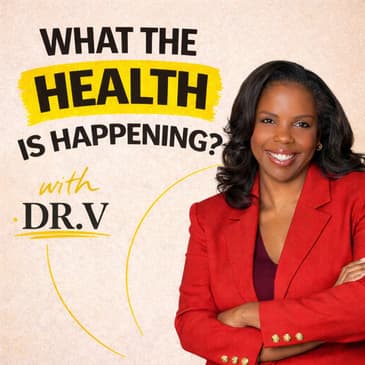
The conversation focused on the dangers of heat and how many people underestimate its impact, especially as temperatures rise in the summer. A key theme that emerged was that heat kills more people each year than any other weather event, often without dramatic warning signs. The discussion explored how heat affects the body on a cellular level, why certain groups like infants, the elderly, athletes, and outdoor workers are at greater risk, and how to recognize the critical difference between simple overheating and a true medical emergency. Several points were raised, including practical steps to take if someone is experiencing a heat emergency, the risks of leaving children or pets in cars, how hydration and alcohol consumption play a role, and what a smart heat safety plan looks like for families. This episode offers essential guidance for anyone wanting to stay safe and prepared during the hottest months of the year.
Timestamps:
00:00 Dangers of extreme heat
06:06 Heat risks for vulnerable groups
08:32 Helping someone who is lightheaded
13:19 Smart pacing for exercise
15:34 Discussing heat tolerance and acclimation
18:48 Staying cool in hot weather
23:09 Understanding fluid intake and health
25:14 Recognizing heat safety signs
Heat Safety 101: Key Takeaways from "What the Health Is Happening? with Dr. V"
Hot weather brings more than just sunshine and outdoor adventures. As the recent episode of "What the Health Is Happening? with Dr. V" reveals, high temperatures can pose serious health risks if you're not properly prepared. In this blog, we break down crucial insights from Dr. Valda Crowder so you can stay safe during summer’s heat waves.
Heat Dangers: Why You Should Take Rising Temperatures Seriously
During the episode, a startling fact was highlighted: heat kills more Americans each year than any other weather event, including hurricanes and tornadoes. The hidden danger is that most heat-related deaths happen quietly, without dramatic warning signs. According to Dr. Valda Crowder, overheating impacts the entire body, causing breakdowns at a cellular level and especially affecting the brain first due to its high energy demands.
Recognizing Heat-Related Illnesses
The podcast categorizes heat-related illnesses into three main types. Heat cramps are the mildest, causing muscle pain and spasms. Heat exhaustion takes things a step further, raising your body temperature and resulting in feelings of lightheadedness, weakness, and fatigue. The most dangerous, heat stroke, happens when the body loses its ability to regulate temperature. Symptoms can include confusion, seizures, and even delirium when temperatures rise above 104 degrees Fahrenheit.
Who Is Most at Risk?
Not everyone is equally vulnerable to heat-related emergencies. Athletes, people who work outdoors, and especially teenagers practicing sports in summer are at significant risk. Dr. Valda Crowder also stressed that the most vulnerable groups are the very young and the elderly. Babies are at risk because their sweat glands are not fully developed and they rely entirely on adults for water and care. Older adults, meanwhile, cannot regulate temperature as efficiently as younger people.
How to Help During a Heat Emergency
If you suspect someone is experiencing a heat emergency, the advice is simple: call 911. While waiting, move them out of the heat and into shade or an air-conditioned space if possible. Let them lie down rather than sit or stand, put cool water on their skin, fan them, and never give water to anyone who is confused or delirious, as they might choke.
Hydration and Smart Pacing in the Heat
Hydration is always important, but Dr. Valda Crowder recommends sticking to plain water over fancy beverages with additives. For those who exercise outdoors, use “smart pacing.” This means taking frequent breaks between bouts of activity to prevent overheating. Heat tolerance may vary by individual, but acclimation provides only limited protection.
Signs You Need Emergency Care
A critical tip from the episode: if you feel weak or lightheaded and sitting down with some water doesn’t help within a few minutes, it’s time to seek help. This could be the difference between a quick recovery and a trip to the ICU.
Heat Safety for Families
When planning family outings or spending time outdoors, keep the needs of babies, small children, and older family members in focus. They may not display typical warning signs or be able to communicate distress. Having shaded spots and cold water prepared ahead of time can make a significant difference.
Final Words: Have a Plan and Stay Proactive
The ultimate takeaway from Dr. Valda Crowder: rising temperatures demand a readiness plan. Bring appropriate gear like fans or neck coolers, limit alcohol intake during sun exposure, know your surroundings, and don’t underestimate the speed at which heat emergencies develop.
Stay curious, look out for each other, and make sure you check out the full episode of "What the Health Is Happening with Dr. V" for more summer safety tips!
Dr. Valda Crowder - https://www.askdrv.us/
Podcast Website - https://whatthehealthishappeningshow.com/
Podcast Producer - https://tophealth.care/
“Disclaimer: Informational only. Not medical advice. Consult your doctor for guidance.”